

In today’s fast-paced retail environment, nearly 30% of shoppers abandon their search for a store due to outdated information. This alarming statistic highlights the need for a seamless store finder experience, which can be achieved through AI integration. By optimizing your store finder with real-time updates on hours, addresses, and inventory, you can eliminate customer frustration and enhance engagement. This article is tailored for retailers seeking innovative solutions to attract foot traffic and improve customer satisfaction. We’ll explore how AI can personalize navigation, offer tailored product recommendations, and integrate with local SEO and Google Maps to ensure maximum visibility. Additionally, we’ll discuss how analyzing customer behavior can refine your strategies and create a more streamlined shopping journey. Join us as we uncover the transformative power of Store Finder Optimization AI, and learn how to elevate your retail experience to meet the demands of today’s consumers.
Enhancing User Experience With Ai-Driven Store Locators

How do AI-driven store locators enhance customer experience?
AI-driven store locators significantly improve the shopping experience by providing real-time updates on store hours, addresses, and inventory information. This ensures customers have access to accurate data, minimizing frustration often associated with outdated locators.
- Real-time updates guarantee the latest information.
- Enhanced visibility through AI-powered search boosts local SEO.
- Customer interactions help businesses refine marketing strategies.
These features not only facilitate easier access to nearby stores but also attract more foot traffic, resulting in a win-win for both customers and retailers. Additionally, implementing dynamic location-based content allows for even greater user engagement and personalization in the shopping experience.
To learn more about optimizing your retail presence, check out our guide on effective local SEO strategies.
Leveraging AI for Personalized Navigation and Recommendations
AI revolutionizes your shopping experience by tailoring navigation paths to your individual preferences and past behaviors.
Have you ever wondered how these personalized recommendations can further enhance your overall satisfaction?
Discover how advanced algorithms not only streamline your journey but also introduce you to exciting new products that align with your interests.
Customizing User Navigation Paths
How can AI enhance your shopping experience through personalized navigation paths?
AI technology reshapes shopping by creating tailored navigation routes based on individual preferences and behaviors. This smart system analyzes your past interactions to predict which store sections will be most relevant, allowing for a more efficient shopping trip.
By seamlessly integrating real-time data on store layouts and inventory, customers can quickly locate desired items while discovering new products along the way.
- Quick access: Navigate directly to your chosen items, minimizing wasted time.
- Enhanced satisfaction: Experience a shopping journey customized to your needs and interests.
- Increased engagement: Explore new areas and promotions, fostering a deeper connection with the store.
These advancements not only improve the shopping experience but can also drive sales by highlighting current deals.
For more insights on optimizing in-store experiences, check out our guide on customer engagement strategies.
Tailoring Store Recommendations
How does AI enhance personalized store recommendations for shoppers?
AI significantly improves personalized store recommendations by analyzing customer preferences and behaviors, allowing for tailored suggestions that align with individual interests. This not only enhances the shopping experience but can also increase customer engagement by up to 25%.
- By utilizing real-time inventory updates, AI ensures recommendations reflect current product availability.
- Predictive analytics further refine local marketing strategies by identifying high-converting queries.
- Customer segmentation aids in delivering relevant suggestions based on demographic insights.
With these innovations, store finder tools become more effective, ultimately boosting visibility and satisfaction.
For more detailed insights on enhancing your shopping journey, explore our guide on optimizing local marketing strategies.
Real-Time Inventory and Layout Updates for Seamless Shopping
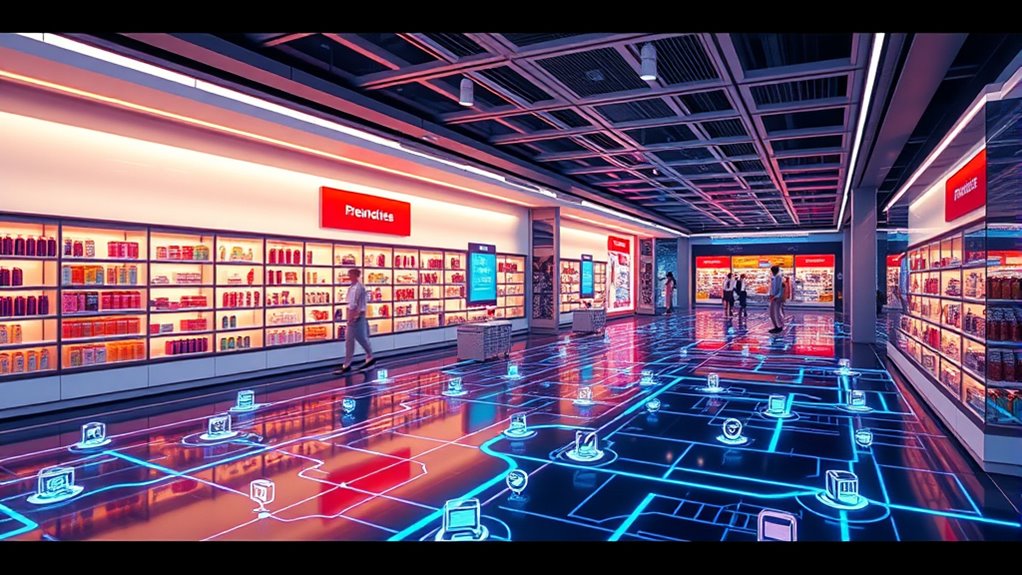
As shopping evolves with real-time inventory updates, customers can enjoy a seamless experience without the hassle of out-of-stock items.
But how do these innovations in layout adjustments further enhance your shopping journey?
Discover how AI-driven technology not only optimizes product placement but also tailors the shopping experience to meet your preferences.
Dynamic Stock Management
How Does Dynamic Stock Management Enhance Your Shopping Experience?
Dynamic stock management transforms your shopping journey by utilizing AI for real-time inventory updates. This technology allows businesses to quickly respond to customer needs, ensuring that shelves are stocked with high-demand items.
- Minimized Disappointment: AI systems notify staff to restock popular products, eliminating the frustration of encountering empty shelves.
- Time-Saving Convenience: With real-time inventory information, you can plan trips more effectively, knowing exactly what’s available.
- Strategic Product Placement: AI analyzes shopper traffic patterns, placing items where they’re most accessible and likely to encourage impulse purchases.
This innovative approach guarantees that you find what you need, exactly when you need it.
For more insights on optimizing your shopping experience, check out our guide on leveraging technology in retail.
Automated Layout Adjustments
How do automated layout adjustments enhance shopping experiences?
Automated layout adjustments significantly elevate shopping experiences by utilizing AI technology to optimize product placement.
These systems analyze real-time inventory and customer behavior data, ensuring that high-demand items aren’t only available but also strategically showcased. Retailers can adapt layouts to reflect seasonal trends or promotional events, making popular products more visible.
- AI identifies areas with low foot traffic, repositioning items to draw shoppers in.
- Machine learning continuously updates strategies based on current shopper preferences.
- Dynamic layouts help eliminate congestion and improve overall store flow.
Such innovations not only enhance customer satisfaction but also improve operational efficiency.
For more insights into maximizing retail strategies, check out our guide on optimizing store layouts.
Real-Time Data Integration
How does real-time data integration enhance your shopping experience?
Real-time data integration significantly elevates the shopping journey by ensuring that product placements and inventory levels are consistently accurate. This technology minimizes confusion, allowing customers to locate desired items effortlessly.
By syncing location data with stock availability, shoppers can trust that what they see online reflects what’s on the shelves.
- Stores report up to a 20% increase in foot traffic due to reliable data.
- Automated updates adapt to customer preferences, refining store layouts.
- Reduced out-of-stock incidents ensure higher customer satisfaction.
Explore how these advancements can reshape retail strategies further; check out our guide on optimizing inventory management.
Boosting Local SEO With Ai-Optimized Store Pages

How can AI-optimized store pages enhance local SEO?
AI-optimized store pages significantly improve local SEO by generating content tailored to your audience’s search intent. By integrating local keywords, these pages enhance visibility in search results, driving more organic traffic to your physical locations.
Furthermore, real-time updates ensure that information remains accurate, which helps to lower bounce rates and increase conversion opportunities.
- Utilize structured data markup to improve search engine comprehension.
- Regularly analyze user behavior to refine content and design.
- Optimize for mobile users, as many local searches occur on smartphones.
For more insights on maximizing your store’s local presence, check out our guide on effective local SEO strategies.
Integrating Google Maps for Accurate Location Data
How can integrating Google Maps enhance customer experience?
Integrating Google Maps into your store locator can significantly improve customer experience by providing accurate and real-time location data.
With features like updated store hours, addresses, and multimedia, customers can easily access the most reliable information. This not only fosters trust in your brand but also simplifies navigation to your stores, enhancing overall convenience.
- Utilize automatic updates to reflect changes instantly.
- Leverage accurate location data to improve local SEO.
- Improve customer satisfaction with seamless navigation.
By embracing Google Maps, you empower your customers with vital information while boosting your visibility.
For more insights on maximizing local SEO, check out our guide on optimizing your online presence.
Analyzing Customer Behavior With Advanced AI Analytics
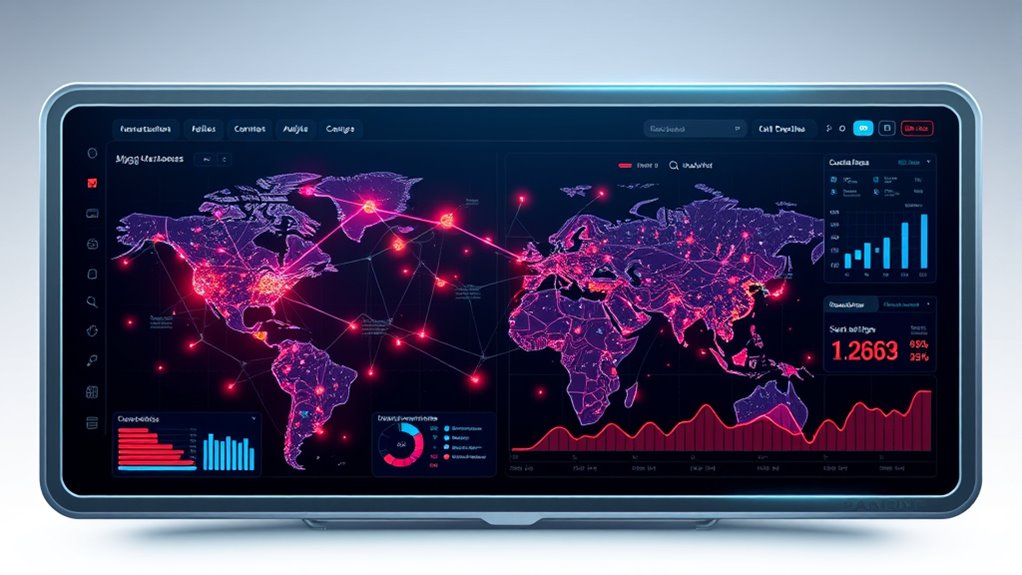
How can businesses enhance customer insights with AI analytics?
Businesses can significantly enhance their understanding of customer behavior by integrating advanced AI analytics into their marketing strategies. By utilizing AI tools, companies can monitor user interactions on store locator pages and analyze search trends, allowing for refined marketing approaches.
This process not only helps identify high-converting local queries but also optimizes content for better visibility.
- Utilize heatmaps to visualize customer interactions.
- Analyze real-time data to adjust marketing strategies.
- Focus on refining content based on customer preferences.
Implementing these techniques can lead to a remarkable increase in local page views and engagement.
For more in-depth strategies, see our guide on leveraging AI for better customer insights.
The Future of AI in Store Locator Technology
How is AI Transforming Store Locator Technology?
AI is significantly enhancing store locator technology by providing businesses with innovative tools to improve customer interactions. Through AI-driven search capabilities, clients can access precise, real-time details about store hours, locations, and stock levels.
This advancement is poised to reshape customer engagement in several ways:
- Customized Recommendations: AI analyzes individual preferences to deliver personalized suggestions, increasing user interaction.
- Traffic Forecasting: Machine learning can predict busy periods, assisting in efficient visit planning.
- Local Strategy Optimization: By monitoring foot traffic and customer interactions, businesses gain valuable insights for strategic enhancements.
Embracing these innovations can lead to heightened customer satisfaction and greater business success.
For more insights on leveraging AI in retail, check out our comprehensive guide on optimizing customer experiences.
Frequently Asked Questions
How Does Store Finder Optimization AI Handle Data Privacy Concerns?
Q: How does Store Finder Optimization AI protect user data?
A: Store Finder Optimization AI uses encryption, gains user consent, and adheres to privacy laws to ensure data privacy and security.
Q: What measures are in place for data privacy in Store Finder AI?
A: Data encryption, user consent, and compliance with regulations are key measures that Store Finder Optimization AI employs for data privacy.
Q: Is user information safe with Store Finder Optimization AI?
A: Yes, Store Finder Optimization AI ensures data privacy through encryption and strict adherence to privacy regulations, keeping user information secure.
Q: How does Store Finder Optimization AI handle user consent?
A: Store Finder Optimization AI actively obtains user consent before collecting data, which is crucial for maintaining data privacy.
Q: What privacy regulations does Store Finder Optimization AI follow?
A: Store Finder Optimization AI complies with applicable privacy regulations to ensure that data privacy is upheld throughout its operations.
What Are the Initial Setup Costs for Implementing This AI Technology?
Q: What are the initial setup costs for implementing AI technology?
A: Initial setup costs for implementing AI technology include hardware, software, and training expenses, which can vary based on project scope.
Q: How much should I budget for AI technology implementation?
A: Budgeting for AI technology implementation typically ranges from thousands to millions, depending on the complexity and scale of the project.
Q: Are there hidden costs in AI technology implementation?
A: Yes, hidden costs may include ongoing maintenance, updates, and potential system integrations that can add to initial setup costs.
Q: What factors influence the initial setup costs for AI?
A: Factors include the specific technology chosen, the size of your organization, and the need for custom solutions.
Q: Can I reduce initial setup costs for AI technology?
A: Yes, consider phased implementation, open-source solutions, or cloud services to minimize initial setup costs for AI technology.
Q: How can I assess the value of initial setup costs for AI?
A: Conducting an ROI analysis helps evaluate the potential benefits against the initial setup costs for AI technology.
Can the AI Technology Be Integrated With Existing Store Management Systems?
Q: Can AI technology be integrated with current store management systems?
A: Yes, AI technology can be integrated with current store management systems to improve operations.
Q: What are the challenges of integrating AI with existing store management systems?
A: Compatibility issues may arise, but they can be addressed through careful planning and customization.
Q: How can I ensure seamless integration of AI with my store management system?
A: Follow a structured integration process and consider system customization for better functionality.
Q: Is it necessary to customize my existing store management system for AI integration?
A: Customization may be needed to enhance compatibility and optimize the performance of the AI technology.
Q: What steps should I take to integrate AI into my store management system?
A: Assess compatibility, outline an integration plan, and explore customization options to enhance functionality.
How Does This AI Handle Multilingual Environments or Diverse Customer Bases?
Q: How does this AI handle multilingual environments?
A: This AI effectively manages multilingual environments by understanding and responding in various languages, enhancing communication with users.
Q: Can this AI support diverse customer bases?
A: Yes, the AI is designed to engage diverse customer bases, adapting to different languages and cultural nuances for better interaction.
Q: What features improve customer engagement in multilingual scenarios?
A: The AI’s multilingual capabilities and cultural sensitivity significantly boost customer engagement, making interactions more relatable and effective.
Q: How does cultural sensitivity enhance customer experience?
A: By incorporating cultural sensitivity, the AI ensures that it resonates with users from diverse backgrounds, improving overall customer satisfaction.
Q: Is this AI effective in understanding different languages?
A: Absolutely! The AI excels at understanding different languages, which aids in effectively connecting with multilingual customer bases.
Q: What benefits does multilingual support offer to businesses?
A: Multilingual support allows businesses to reach wider audiences, improve customer engagement, and enhance satisfaction among diverse customer bases.
What Measures Are in Place to Ensure the Accuracy of Ai-Generated Recommendations?
Q: How do you ensure the accuracy of AI-generated recommendations?
A: We use advanced machine learning algorithms to enhance the precision of AI-generated recommendations.
Q: What methods validate the accuracy of AI recommendations?
A: Rigorous validation techniques are implemented to verify the accuracy of AI-generated recommendations.
Q: How is user feedback incorporated for accuracy?
A: User feedback is integrated continuously to improve the accuracy of AI-generated recommendations.
Q: Are real-world data adjustments made for AI recommendations?
A: Yes, we proactively adjust our systems based on real-world data to ensure the accuracy of AI-generated recommendations.
Conclusion
In conclusion, optimizing your store finder with AI-driven solutions not only improves user experience but also enhances local search visibility. By implementing these strategies, you can attract more customers and provide them with tailored navigation and up-to-date information. This approach allows you to gain insights into customer behavior, making your store more appealing and accessible. Embracing Generative Engine Optimization (GEO) ensures your business remains competitive. We encourage you to explore more tips on enhancing your store locator and take the first step towards a more personalized shopping experience.