
AI-powered title and meta optimization combines machine learning algorithms with strategic keyword placement to create compelling, search-engine-friendly content. You’ll benefit from automated tools that analyze data, generate multiple title variations, and monitor performance metrics in real-time. By integrating AI tools with human creativity, you can maintain character limits while maximizing click-through rates and search visibility. The future of meta optimization offers even more advanced techniques to enhance your website’s search performance.
Understanding AI-Powered Meta Title Generation

While traditional meta title creation relies heavily on manual effort, AI-powered generators have revolutionized the process by analyzing content and keywords to produce optimized titles within seconds.
These advanced AI algorithms scan your content to identify contextual relationships and semantic patterns, ensuring title relevance that resonates with both search engines and human readers. Complex algorithms work continuously to enhance the quality and effectiveness of generated meta titles. Additionally, these tools leverage insights from audience knowledge to tailor titles that better meet user expectations and search intent.
You’ll find that keyword integration happens naturally as the system processes your input, whether it’s a brief topic description or full content up to 2000 characters.
The tools evaluate content context to determine the most effective placement of keywords while maintaining readability standards.
With customizable tone options and character count validation, you’re able to generate multiple title variations that comply with SERP display requirements while capturing your desired messaging style.
Key Elements of Effective Title Tag Optimization
As search engines continue to evolve, mastering the key elements of title tag optimization has become essential for achieving higher rankings and click-through rates.
Strategic keyword placement near the beginning of your titles helps search engines understand your content’s focus, while maintaining content relevance guarantees you’re meeting user expectations.
Your titles should stay within 50-60 characters to prevent truncation in search results, and they must accurately reflect your page’s content.
You’ll need unique titles for each page, with clear alignment between your HTML title tag and H1 heading.
Remember to include compelling benefits and value propositions that encourage clicks while avoiding keyword stuffing.
Regular performance monitoring helps you identify which titles need improvement, and staying current with time-sensitive content keeps your pages relevant to searchers. Additionally, leveraging tools like Yoast SEO can enhance your optimization efforts and streamline the process.
Leveraging AI Tools for Meta Description Creation

Modern AI tools have revolutionized the way businesses create and optimize meta descriptions, transforming a once-tedious manual process into an efficient, data-driven operation.
Through AI-driven creativity and automated keyword integration, you’ll generate compelling descriptions that capture your audience’s attention while maintaining SEO best practices. Contextual analysis benefits guarantee your meta descriptions align perfectly with your content, while engagement metrics feedback helps you continuously improve performance.
- Reduces manual writing time from 40 hours weekly to near-zero maintenance
- Boosts organic click-through rates by up to 31% for retail websites
- Incorporates product attributes, customer reviews, and seasonal trends automatically
- Generates multiple variations for A/B testing and optimization
- Enforces character limits while maintaining readability and relevance
Your meta descriptions will work harder for you when you leverage these powerful AI tools, delivering measurable improvements in search visibility and user engagement. Additionally, effective keyword research ensures that your meta descriptions resonate with your target audience’s intent and preferences.
Best Practices for Human-AI Title Collaboration
Successful title optimization depends on establishing clear, effective collaboration between human expertise and AI capabilities.
You’ll need to recognize AI limitations while leveraging your human creativity to achieve the finest results. Set up clear task divisions where AI handles data-driven elements like keyword analysis and performance metrics, while you focus on emotional resonance and brand voice.
Implement a structured feedback system where you can request specific refinements from AI tools, such as adjusting title length or emotional appeal.
Use AI-generated performance predictions to inform your decisions, but maintain final approval authority, especially for sensitive content.
Develop your AI literacy skills, focusing on prompt engineering and SEO parameters, while sharpening your ability to evaluate titles beyond purely algorithmic metrics.
This balanced approach guarantees ideal outcomes in title creation.
Measuring and Improving Title Performance Metrics
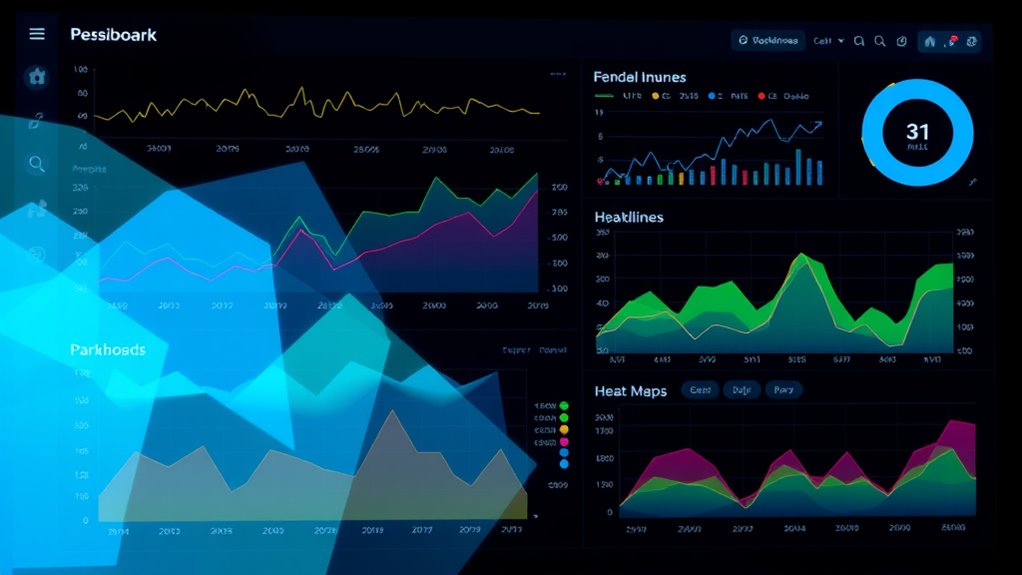
Measuring title performance requires precise tracking of multiple metrics that reveal how well your headlines engage and convert audiences. Your title analytics should focus on CTR, average position, and impression data from Google Search Console to establish clear performance benchmarks.
By analyzing these metrics over 6-12 months, you’ll identify meaningful trends beyond seasonal variations.
- Track click-through rates to measure title effectiveness in driving organic traffic
- Monitor position changes to understand visibility in search results
- Compare performance against industry averages for realistic benchmarking
- Analyze query data to see which search terms trigger your titles
- Review historical trends to identify successful title patterns
Improve your metrics by conducting A/B tests, studying competitor titles, and strategically incorporating keywords.
Remember that evolving search behaviors, including AI-generated results, require adapting your measurement approaches.
Advanced AI Techniques for Meta Tag Enhancement
Leveraging artificial intelligence for meta tag enhancement has revolutionized how websites optimize their technical SEO elements. Through dynamic tag adaptation, AI systems can analyze real-time user behavior and search trends to automatically refresh title tags and meta descriptions, leading to significant improvements in click-through rates.
You’ll find that semantic search optimization now plays an essential role, as AI-powered systems can restructure header tags in response to changing search patterns. The technology identifies high-performing templates by analyzing hundreds of thousands of successful SERP entries, while maintaining ideal character lengths to prevent truncation.
Your pages can achieve up to 31% more featured snippet placements when AI generates structured data, and you’ll see improved results when combining AI suggestions with human oversight for emotional appeal assessment.
Future-Proofing Your Title Strategy With AI

Building upon the advances in meta tag optimization, future-proofing your title strategy demands a thorough understanding of AI’s evolving role in search.
As user intent and semantic analysis reshape title evolution, you’ll need to adapt your approach to maintain brand authority and overcome future challenges.
Content alignment with AI trends requires an all-encompassing strategy that embraces voice optimization and advanced semantic clustering.
- Implement semantic clustering to strengthen topical relationships between titles
- Optimize for voice search by incorporating natural, conversational phrases
- Focus on demonstrating E-E-A-T principles in your title structures
- Leverage AI-driven intent analysis to match user search patterns
- Structure titles to capture both traditional rankings and AI-generated overviews
These adaptations will guarantee your titles remain effective as search technology continues to advance, maintaining visibility across all platforms and formats.
Conclusion
While AI streamlines your title and meta optimization process with lightning-fast analysis and data-driven suggestions, you’ll still need your human touch to create truly compelling content. You’re now equipped to blend machine efficiency with creative intuition, transforming basic metadata into powerful engagement tools. By implementing these AI-powered strategies while maintaining authentic, user-focused writing, you’ll achieve both search visibility and meaningful connections with your audience.