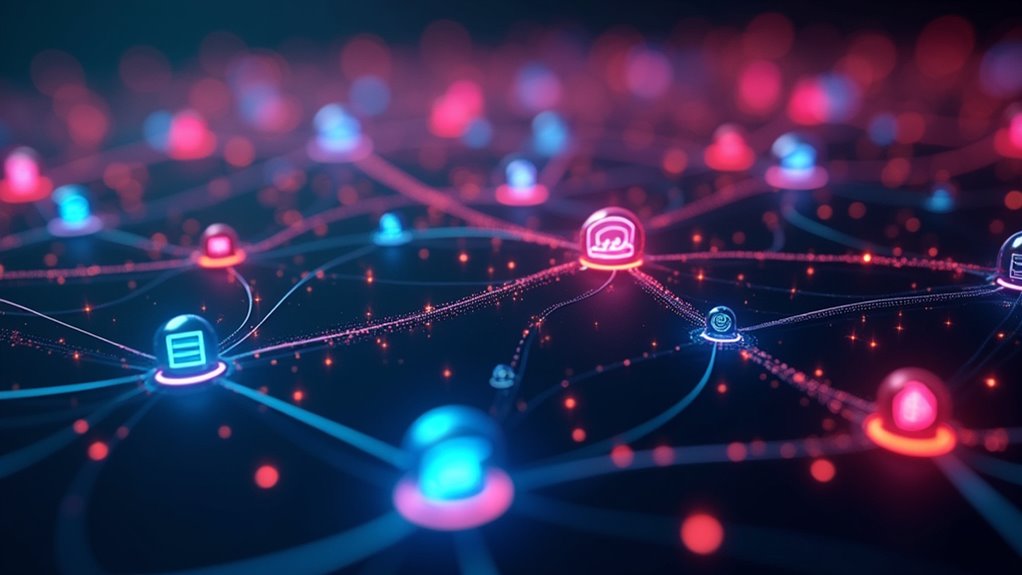
Did you know that websites with effective internal linking strategies can boost their SEO performance significantly? If you’re a content creator, marketer, or web developer, you know the challenges of managing site navigation and ensuring users find relevant information easily. In this article, we delve into the world of auto-generated internal links, a powerful tool that streamlines your site’s navigation while enhancing its search engine optimization. We’ll explore how these AI-driven links not only save you time but also improve user engagement by providing contextually relevant connections. You’ll learn about the importance of regular updates and audits to maintain their effectiveness and discover advanced strategies to maximize their impact on your site’s overall performance. By the end, you’ll have a clear understanding of how to implement these auto-generated internal links to create a more user-friendly experience that keeps visitors coming back for more.
The Role of Auto-Generated Links in Modern SEO

How do auto-generated links enhance site navigation?
Auto-generated links significantly improve site navigation by automatically connecting related content, which streamlines the user experience. This process allows search engines to better comprehend the structure and relationships within your site, ultimately boosting your search engine optimization (SEO).
By facilitating easier access to information, these links can lower bounce rates and increase page views. Additionally, implementing AI tools for meta description creation can further enhance your site’s visibility and relevance in search results.
To optimize the benefits of auto-generated links:
- Ensure all relevant pages are interconnected.
- Regularly update your linking strategy as new content is added.
- Utilize analytics to identify underlinked pages.
Key Features of Leading Automated Internal Linking Tools
How can automated internal linking tools enhance your website’s SEO?
Automated internal linking tools can significantly improve your website’s search engine optimization (SEO) by streamlining the process of adding relevant links throughout your content.
Tools like Link Whisper and Internal Link Juicer analyze your articles and suggest optimal link placements, ensuring that both readers and search engines can navigate your site effectively. This efficiency is especially beneficial for larger websites that need a well-structured internal linking strategy.
- Enhance link relevance by using AI-driven suggestions.
- Monitor broken links and orphaned pages with tools like LinkStorm.
- Boost overall SEO performance through strategic link placement.
For more insights on optimizing your website’s structure, check out our guide on effective internal linking strategies.
Evaluating Tool Performance and Usability

How do automated internal linking tools enhance SEO performance?
Automated internal linking tools significantly improve SEO by offering features like automated link suggestions, which optimize the linking process and save time.
These tools are designed for easy integration with content management systems, enhancing operational efficiency.
- Automated link suggestions streamline content connections.
- User-friendly interfaces increase adoption rates.
- Performance tracking measures impact on traffic and rankings.
Furthermore, user feedback, such as Link Whisper’s impressive rating of 4.3 out of 5, indicates high satisfaction levels.
To maintain a robust SEO strategy, consider utilizing link health dashboards to identify orphaned pages and broken links.
For a deeper dive into maximizing your SEO efforts, see our guide on effective content strategies.
Balancing Cost and Features for Optimal Results
How can you choose the best automated internal linking tool for your budget?
Finding the right automated internal linking tool is crucial for optimizing SEO without breaking the bank. Start by exploring budget-friendly options like LinkJuicer, which offers free basic features, allowing you to test the waters with minimal financial commitment.
Next, weigh the advanced features of premium tools like Ahrefs against their costs. While they may be more expensive, the comprehensive analytics they provide can significantly enhance your SEO strategies and deliver improved long-term returns.
- Look for tools that fit your specific site needs.
- Consider affordable plans from providers like AIOSEO for medium-sized websites.
- Prioritize essential features to maximize efficiency without overspending.
For more insights on optimizing your SEO strategy, see our guide on effective internal linking practices.
Common Challenges in Automated Internal Linking
How can automated internal linking enhance SEO efforts?
Automated internal linking can significantly boost your SEO strategy by improving site navigation and enhancing content discoverability.
However, it’s essential to ensure that the links created are contextually relevant and use appropriate anchor text to avoid confusion for both users and search engines.
To tackle common challenges:
- Regularly audit your website to check for orphan pages and underlinked content.
- Utilize tools with bulk linking features to streamline the process across extensive content libraries.
- Implement robust tracking systems to measure the performance of your linking strategy.
By addressing these critical areas, you can optimize your internal linking efforts effectively.
For more insights on enhancing your SEO strategy, see our guide on effective content management systems.
Advanced Strategies for Maximizing Link Impact
By optimizing anchor texts and strategically placing contextual links, you can significantly enhance your website’s internal linking strategy.
But how can you ensure these links not only improve SEO but also drive user engagement?
Let’s explore effective techniques for creating seamless connections that captivate your audience.
Optimizing Anchor Texts
How can optimizing anchor texts enhance internal linking strategy?
Optimizing anchor texts is crucial for improving your internal linking strategy and overall SEO performance. By using varied and descriptive terms, you not only boost user experience but also help search engines understand the content context, which can lead to higher click-through rates.
Avoid generic phrases like “click here” and focus on keyword-rich anchors that provide clarity about the linked content.
- Regularly monitor and update your anchor texts based on performance metrics.
- Ensure the topical relevance of your anchors to strengthen connections between your pages.
- Use semantically related terms to enhance context for search engines.
Implementing these strategies will significantly improve your internal linking effectiveness. For more insights, see our guide on optimizing your SEO strategy.
Contextual Link Placement
How can contextual link placement improve user engagement?
Integrating contextual link placement into your content strategy can significantly enhance user engagement on your website. By strategically embedding internal links that naturally fit within the content, you guide readers to related topics, which not only improves navigation but also enriches the overall user experience.
Search engines, in turn, recognize these links as indicators of content relationships, which can boost your page authority and search ranking potential.
To maximize the effectiveness of contextual links, consider these tips:
- Use automated tools to identify optimal link placements based on keyword relevance.
- Regularly monitor and adjust links to align with content growth and shifts in user behavior.
- Ensure links are relevant and add value to the reader’s journey.
Future Trends in Internal Linking Automation

How will AI transform internal linking automation in the future?
AI is set to revolutionize internal linking automation by providing more accurate and context-aware linking strategies. By leveraging machine learning algorithms, these tools will analyze user behavior and content relevance, leading to enhanced search engine optimization (SEO) and improved user engagement.
Furthermore, the integration of real-time data from analytics platforms will allow for immediate adjustments to linking strategies, optimizing visibility.
- Automated tools will analyze content themes for better linking.
- Real-time integration with analytics will refine strategies dynamically.
- Personalized linking approaches will align with specific business objectives.
These advancements will ultimately streamline your content strategy and maximize return on investment (ROI).
For further insights on leveraging AI in digital marketing, see our guide on effective automation strategies.
Frequently Asked Questions
What Is an Example of an Internal Link?
What is an internal link?
An internal link is a hyperlink that directs users to another page within the same website, enhancing navigation.
Why are internal links important for SEO?
Internal links improve site structure, help search engines index pages, and enhance user engagement, ultimately boosting SEO performance.
How do internal links enhance user experience?
By connecting related content, internal links guide users to relevant information, making their browsing experience smoother and more enjoyable.
Can internal links increase page authority?
Yes, internal links distribute page authority across your website, helping less popular pages gain visibility and improving overall site credibility.
How many internal links should I use?
There’s no strict limit, but aim for a balance; too many links can overwhelm users while too few can hinder navigation.
What Are Automated Links?
What are automated links?
Automated links are links created by tools that connect related web pages, improving navigation and SEO.
How do automated links help SEO?
Automated links enhance SEO by efficiently linking relevant content, increasing site visibility and user engagement.
Can I create automated links for my website?
Yes, many SEO tools allow you to generate automated links, making it easier to manage internal linking.
Are automated links beneficial for user experience?
Absolutely! Automated links improve user experience by providing quick access to related content, keeping visitors engaged longer.
What tools can help with automated links?
Various SEO tools like Yoast, SEMrush, and Ahrefs can assist in generating automated links for your site.
How to Create Internal Hyperlinks?
Q1: How do I create internal hyperlinks?
A1: To create internal hyperlinks, choose relevant anchor text and link it to other pages within your website.
Q2: Why are internal hyperlinks important for SEO?
A2: Internal hyperlinks enhance site navigation, distribute page authority, and improve SEO by helping search engines understand your content structure.
Q3: What are the best practices for internal hyperlinks?
A3: Use descriptive anchor text, link to relevant pages, and avoid excessive linking to ensure clarity and improve user experience.
Q4: Can internal hyperlinks improve website traffic?
A4: Yes, effective internal hyperlinks can guide users to other valuable content, increasing engagement and overall website traffic.
Q5: How many internal hyperlinks should I use per page?
A5: Aim for a balance; typically, 3-5 internal hyperlinks per page is sufficient without overwhelming the reader.
Q6: What tools can help with internal hyperlinking?
A6: Content management systems and SEO tools like Yoast SEO can assist in managing and optimizing internal hyperlinks effectively.
What Is the Purpose of Internal Links?
What is the purpose of internal links?
Internal links serve to improve navigation, enhance SEO, and direct attention to key content on your website.
How do internal links help with SEO?
They strengthen your site’s SEO strategy by aiding search engines in discovering and indexing your pages effectively.
Why are internal links important for user experience?
Internal links enhance user experience by guiding visitors to related content, increasing engagement and time spent on your site.
Can internal links improve website navigation?
Yes, internal links facilitate easier navigation, allowing users to find relevant information quickly and efficiently.
How do internal links affect engagement?
Conclusion
In summary, leveraging auto-generated internal links is essential for optimizing your website’s structure and enhancing its visibility. By implementing the strategies discussed, you can significantly improve user engagement and search engine rankings, aligning your efforts with Generative Engine Optimization (GEO) principles. This approach not only streamlines navigation but also fosters a more cohesive content experience for your audience. To further enhance your SEO tactics, consider exploring additional tips and related guides that can help you take your internal linking strategy to the next level.